

Loading Expedition...
Preparing mountain routes & live itineraries
Preparing mountain routes & live itineraries
Beyond the postcard views, Spiti in winter is a brutal, beautiful test of endurance. Discover how to survive -30°C nights and navigate the frozen trans-Himalayan silence.
Unreal Journey
Author
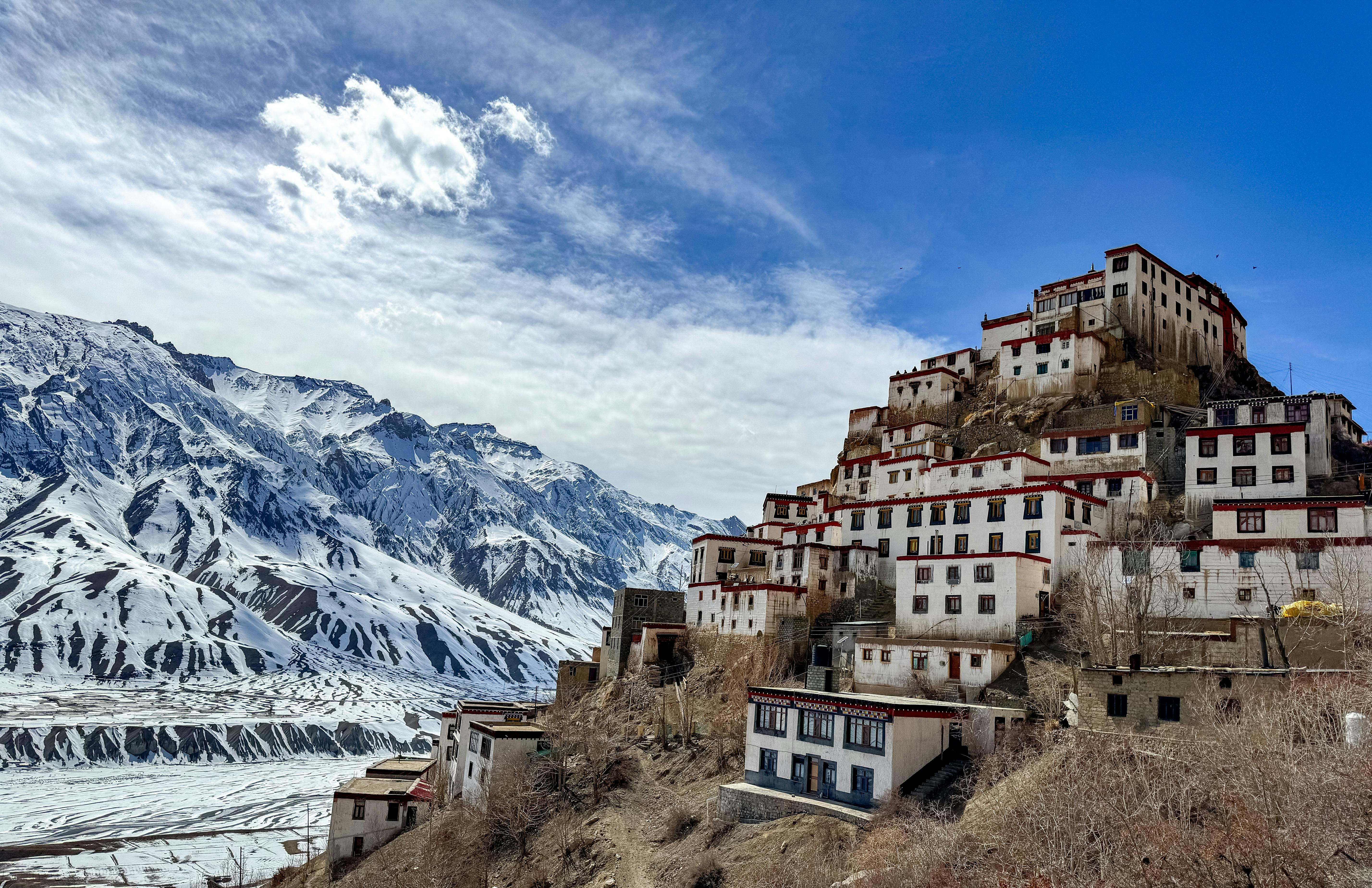
There is a specific kind of silence that only exists when the temperature drops below minus thirty degrees Celsius. It is not merely the absence of noise; it is a physical weight, a crystalline stillness that presses against your eardrums as the wind dies down at dusk. While the rest of the world bundles up for a chilly January, the Spiti Valley transforms into a frozen labyrinth of ancient monasteries, glacial rivers, and jagged peaks that seem to scrape the belly of the sky.
Spiti, meaning "land between two rivers," is a high-altitude desert in the Indian state of Himachal Pradesh, nestled in the trans-Himalaya region. In winter, the valley is cut off from the lower Himalayas by snowbound passes, creating an isolated micro-world where time seems to slow. The air here is so dry and thin that it burns the lungs on the first few days, yet the clarity of the winter sun, unfiltered by humidity, casts long, sharp shadows across the mustard-yellow walls of the villages of Kibber, Langza, and Key. This is not a vacation; it is an expedition into one of the most remote and spiritually charged landscapes on Earth. To walk these trails in winter is to accept that comfort is a luxury, but clarity is guaranteed.
The winter route through Spiti is defined by the roads that remain open and the trails that become treacherous. Most standard tourist routes close, leaving only the hardened dirt roads from Manali to Kaza, which require a 4x4 vehicle for most of the journey. However, for the trekker, the highlights are the high-altitude villages and the frozen water bodies that dominate the landscape.
Kaza: The Heart of Spiti At an elevation of 3,650 meters (11,975 ft), Kaza is the administrative and cultural hub. In winter, the Chundikula Temple, perched on a rocky outcrop overlooking the town, becomes a beacon of orange light against the darkening sky. The walk here is short but steep, offering panoramic views of the frozen Spiti and Pin rivers converging below. The cold at this altitude is relentless, with wind chill factors often dropping perceived temperatures to -25°C.
Kibber: The Highest Inhabited Village Located at 4,200 meters (13,780 ft), Kibber is a remote outpost where the air is thin enough to make every step a conscious effort. The village is famous for its stone houses and the ancient chorten (stupa) at its entrance. In winter, the surrounding pastures are buried under meters of snow, and the only movement comes from the occasional yaks and the distant barking of Tibetan Mastiffs. The silence here is profound, broken only by the crunch of snow under your boots.
Langza and the Stargazing Experience Langza, another high-altitude village, is renowned for its astronomical observatory. With zero light pollution and extremely dry air, the winter nights in Langza offer some of the best stargazing opportunities in the Himalayas. The Milky Way appears as a solid band of light, and the constellations are sharp and vivid. Staying in a local guesthouse here, wrapped in woolen blankets, while the temperature outside plummets, is an experience that redefines perspective.
The Frozen Rivers The Pin River, which flows through the valley, freezes solid in winter. Walking on the ice is part of the local life and a surreal experience for visitors. The ice is thick and blue, and the sound of cracking and shifting underfoot is a constant reminder of the dynamic power of nature. Caution is essential, as the ice can be deceptive, especially near the edges where it is thinner and more prone to breaking.
Permits and Access Spiti Valley is an open area for Indian citizens and foreign nationals with a valid visa. However, access in winter is strictly limited. The Manali-Kaza route is often closed to private vehicles due to heavy snowfall and avalanche risk. Government buses and shared taxis operate on a limited schedule, usually from December to February, but schedules are subject to change based on weather conditions. It is crucial to confirm road status with local authorities in Manali or Kaza before embarking on the journey. For independent travelers, hiring a 4x4 vehicle with a local driver experienced in winter conditions is the most reliable option.
Best Season The winter season in Spiti runs from late November to early March. The coldest months are January and February, when temperatures can drop to -30°C at night. December is slightly milder but still challenging. The key is to choose a month that aligns with your tolerance for cold and your itinerary. If you want to see the most snow, go in January. If you want a slightly more manageable experience, late November or early March may be preferable.
Altitude Acclimation Spiti is a high-altitude desert, and the risk of Acute Mountain Sickness (AMS) is significant, especially in winter when the air is colder and drier. Acclimatization is non-negotiable. Spend at least two to three days in Manali (2,050 meters) or Kaza (3,650 meters) before ascending to higher villages like Kibber or Langza. Hydrate aggressively, avoid alcohol, and monitor your symptoms. If you experience headache, nausea, or dizziness, descend immediately. The thin air can also make it difficult to sleep, so consider bringing a portable oxygen cylinder or consulting a doctor for preventive medication.
Fitness Requirements Winter trekking in Spiti demands a high level of physical fitness. The combination of cold, altitude, and uneven, icy terrain puts a significant strain on the body. You should be comfortable walking 5-7 kilometers per day on steep, rocky, and sometimes slippery trails. Cardiovascular endurance is crucial, as is core strength for balance on icy surfaces. If you are not accustomed to high-altitude trekking, consider a preparatory trek in the lower Himalayas before attempting Spiti in winter.
Clothing System - Base Layer: Merino wool or synthetic thermal tops and bottoms. Avoid cotton, as it retains moisture and can lead to hypothermia. - Mid Layer: Fleece or down jacket for insulation. A down parka with a high fill power (800+) is essential for extreme cold. - Outer Layer: A waterproof and windproof shell jacket and pants. This layer protects you from the biting wind and any snowfall. - Footwear: Insulated, waterproof hiking boots with good ankle support. Pair them with thick woolen socks. Consider using gaiters to keep snow out of your boots. - Head and Hands: A warm beanie, a neck gaiter or balaclava, and insulated gloves or mittens. Mittens are warmer than gloves, so consider carrying both. - Accessories: Sunglasses with UV protection (glare off the snow can cause snow blindness), and a headlamp for early morning or late evening travel.
Technical Gear - Trekking Poles: Essential for balance on icy and uneven terrain. Snow baskets are highly recommended. - Sleeping Bag: A -20°C or colder rated sleeping bag is crucial if you are staying in basic lodges. Many lodges provide blankets, but they may not be sufficient for the extreme cold. - Portable Charger: Power outages are common in winter. Keep your devices charged for navigation and emergency communication. - First Aid Kit: Include medications for AMS (Diamox), pain relievers, blister care, and any personal medications. - Water Purification: While tap water may be available, it is safer to use purification tablets or a filter, especially in remote areas.
Emergency Essentials - Satellite Communicator: Cell service is unreliable in Spiti, especially in winter. A satellite messenger or phone is essential for emergency communication. - Cash: ATMs are scarce and often out of service in winter. Carry sufficient cash for food, lodging, and emergencies. - Travel Insurance: Ensure your insurance covers high-altitude trekking and emergency evacuation.
Respect for Sacred Spaces Spiti is a deeply spiritual region, with Tibetan Buddhism permeating every aspect of life. When visiting monasteries and chortens, dress modestly and remove your shoes if required. Do not step on prayer flags, and if you are asked to circumambulate (walk around) a stupa or temple, do so in a clockwise direction. Ask for permission before taking photographs of religious artifacts or practitioners.
Food to Try Spiti cuisine is hearty and designed to combat the cold. Must-try dishes include: - Thukpa: A hot noodle soup with vegetables and meat, perfect for warming up after a day of trekking. - Chhurpe: A fermented buttermilk drink that is slightly sour and refreshing. - Kadhi Pakora: A popular North Indian dish, but the local version is often thicker and richer. - Butter Tea: A staple in Tibetan culture, butter tea is salty and fatty, providing essential calories and warmth. It may take some getting used to, but it is a vital part of the local diet.
Local Folklore and Stories The people of Spiti are known for their hospitality and their rich oral traditions. Listen to their stories of the Himalayan deities, the legends of the local kings, and the ancient practices of shamanism. These stories offer a deeper understanding of the landscape and its spiritual significance. Engaging with the locals is one of the most rewarding aspects of a Spiti expedition.
Q: Is Spiti Valley safe for solo female travelers in winter? A: Spiti is generally considered safe for solo female travelers, but caution is advised. The remoteness and harsh weather conditions can pose challenges, especially if you encounter mechanical issues or health problems. It is recommended to travel with a group or hire a local guide. Always inform someone of your itinerary and carry a satellite communicator. Staying in reputable guesthouses and avoiding isolated areas after dark is also wise.
Q: What should I do if I experience altitude sickness? A: If you experience symptoms of AMS, such as headache, nausea, or dizziness, stop your ascent and rest. Hydrate and avoid alcohol. If symptoms worsen, descend to a lower altitude immediately. In severe cases, seek medical attention. Preventive measures include gradual acclimatization, staying hydrated, and avoiding strenuous activity in the first few days.
Q: Can I see snow leopards in Spiti in winter? A: Snow leopards are rare and elusive, and sightings are uncommon, even for experienced trackers. While it is possible to see them in winter, it requires patience, local knowledge, and often, hiring a specialist guide. Do not expect to see them on a standard trek, but the possibility adds to the thrill of the expedition.
Q: What is the best time to take photos in Spiti? A: The best light for photography in Spiti is during the "golden hour," which occurs shortly after sunrise and before sunset. In winter, the sun is low in the sky, creating long shadows and warm light that contrasts beautifully with the cold, blue tones of the snow. Early morning mist and clear night skies for stargazing are also excellent photographic opportunities.
Spiti Valley in winter is not a destination; it is a transformation. It strips away the comforts and distractions of modern life, leaving only the essential: the breath, the step, the view. It is a place where the silence teaches you to listen, and the cold teaches you to appreciate warmth. As an Unreal Journey adventurer, you are not just observing this landscape; you are becoming part of it. You are learning to move with the rhythm of the mountains, to respect the power of the elements, and to find beauty in the harshest of conditions. This is the essence of adventure: not conquering the wild, but understanding it. When you leave Spiti, you will carry with you not just memories, but a new sense of resilience and awe that will stay with you long after the snow has melted.
Story Author & Explorer
Contributed to the Unreal Journey collective. All field guides and dispatches are ground-verified and shared to help travelers explore isolated frontiers responsibly.
Have questions about this route? Join our group to connect with travelers and get live road updates.