Introduction & The Call of the Wild
There is a specific kind of silence that exists only above 14,000 feet in the Indian Himalayas. It is not empty; it is heavy, pressurized, and ancient. This is the realm of the Hampta Pass and Chandrataal Lake, a dual-expedition route that offers two distinct yet equally profound alpine experiences in a single journey.
While Hampta Pass is a classic high-altitude crossing that physically connects the lush, snow-fed valleys of Kullu with the stark, arid beauty of Lahaul, Chandrataal is a spiritual pilgrimage to a glacial lake formed by a massive landslide in 1900. Together, they represent the duality of the Himalaya: the rugged, wind-scoured heights and the serene, mirror-like depths. For the Unreal Journey adventurer, this is not just a hike; it is a confrontation with the raw, unfiltered elements of one of the world’s most dramatic mountain ranges.
Route Highlights & Waypoints
This guide covers two distinct but geographically complementary treks. Most travelers choose one, but the ambitious explorer may attempt a combined circuit (requires 8-10 days).
1. The Hampta Pass Circuit (Kullu to Manali)
- Base Camp: Jobra Village (2,400m / 7,874ft). A quaint hamlet with pine forests and trout streams.
- Acclimatization Stop: Balu-ka-Ghera (3,300m / 10,826ft). A shepherd’s hut area offering the first glimpse of the pass.
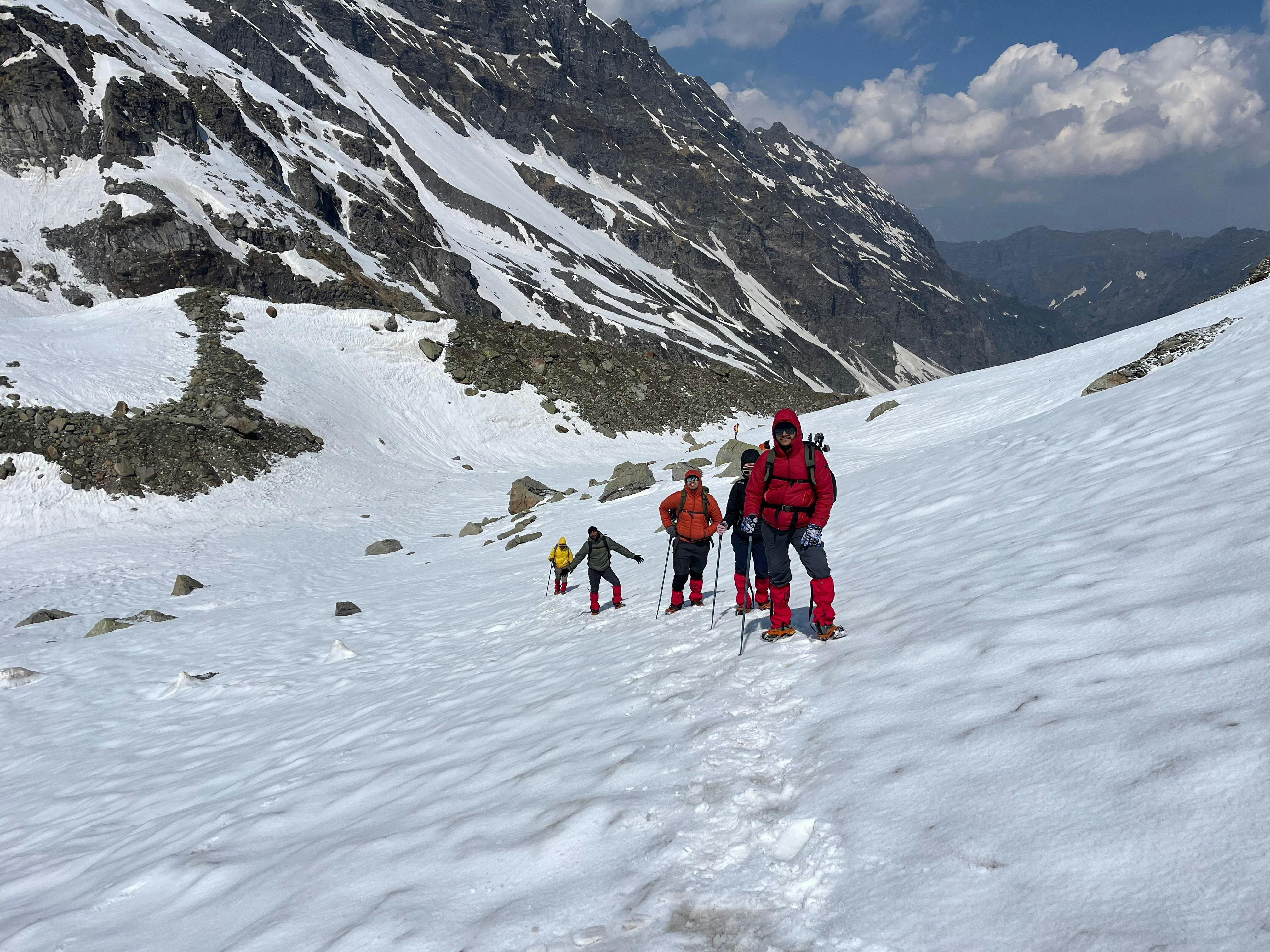
- The Pass: Hampta Pass (4,270m / 14,010ft). The highest point. The terrain shifts from dense rhododendron forests to barren scree and snowfields.
- Descent: Chatru (3,100m / 10,170ft) into the Lahaul valley. This side is stark, rocky, and windswept, a sharp contrast to the green Kullu side.
- Return: Drive to Keylong and back to Manali, or trek back to Jobra (less common).
2. The Chandrataal Lake Trek (Kullu Valley)
- Base Camp: Shitida (1,650m / 5,413ft). A hidden gem in the Parvati Valley, often quieter than the main Jobra route.
- Mid-Point: Chandratal Camp (3,100m / 10,170ft). A gravel campsite with basic shelters and toilets (seasonal).
- The Lake: Chandrataal (4,265m / 14,000ft). The "Moon Lake" sits in a bowl of jagged peaks. The water is glacially clear, reflecting the surrounding glaciers with terrifying clarity.
- Key Viewpoint: The lake is not a summit; it is a destination. The trek is linear, out and back, allowing for multiple attempts to capture the light on the water.
Practical Logistics & Field Notes
Permits & Entry
- Forest Permits: Required for both routes. Hampta Pass requires a permit from the Kullu Forest Department. Chandrataal permits are issued in Manali or Keylong.
- ID Proof: Carry a valid government-issued ID (Aadhaar/Passport). Foreigners may face restricted zones in Lahaul-Spiti; verify current regulations for the pass descent side.
- Booking: Permits can often be purchased on-site, but during peak season (July-August), sell-outs occur. Book via accredited local trekking operators to guarantee entry.
Best Seasons
- Hampta Pass: Late June to Mid-September. The pass is snowbound from October to May. The window is short. July is the greenest; August has more rainfall; September offers clearer skies but colder nights.
- Chandrataal: June to October. The lake freezes in late November. Early June may have residual snow on the trail. September is ideal for clarity and fewer crowds.
Altitude Acclimation Strategy
- Hampta Pass: You ascend from 2,400m to 4,270m in 2-3 days. This is a rapid gain. Mandatory: Spend at least 24 hours in Jobra (2,400m) before starting. If you feel any symptoms of AMS (headache, nausea, insomnia), do not proceed. Descend immediately.
- Chandrataal: You ascend from 1,650m to 4,265m over 2 days. The first night is at 3,100m, which is safer. This route is generally more forgiving for acclimatization than Hampta.
Fitness Requirements
- Hampta: Moderate to Hard. Requires good cardiovascular endurance. The final 100 meters to the pass are steep and may involve snow.
- Chandrataal: Moderate. The distance is longer, but the gradient is gentler. The final approach to the lake is a steady climb through boulder fields.
Essential Gear Checklist
Technical Gear
- Footwear: Waterproof, ankle-high hiking boots with aggressive lugs. Do not use trail runners.
- Trekking Poles: Essential for knee protection on the descent and stability on scree.
- Headlamp: With extra batteries. Camps close at dusk; you may need to navigate in the dark.
Layering System (The 3-Layer Rule)
- Base Layer: Merino wool or synthetic. No cotton.
- Mid Layer: Fleece or light down jacket.
- Outer Layer: Waterproof and windproof shell (Gore-Tex or equivalent). The Himalaya is unpredictable; rain can turn to sleet in minutes.
Emergency Essentials
- Med Kit: Diamox (consult a doctor first), pain relievers, anti-diarrheals, blister tape, iodine tablets.
- Hydration: 3-4 liters of water per day. Carry a water filter or purification tablets. Streams are clean but not guaranteed.
- Sun Protection: UV index is extreme at altitude. SPF 50+ sunscreen, UV400 sunglasses, and a wide-brimmed hat.
Cultural Etiquette & Local Wisdom
Food to Try
- Kullu Side: Siddu (steamed wheat dumplings), Daal Chawal, and native trout. Jobra is famous for its trout.
- Lahaul Side (Hampta Descent): Thukpa (Tibetan noodle soup), Momos, and Butter Tea. The cuisine shifts abruptly as you cross the pass.
- Chandrataal: Simple Indian meals at the campsite. Hot chai is the only fuel that matters at 4,200m.
Respect for Sacred Spaces
- Chandrataal: The lake is considered sacred by locals. Do not swim in the lake (it is freezing and glacially sensitive). Do not leave any plastic waste. The area is fragile.
- Shrines: You will pass small shrines and mani stones. Walk clockwise around them. Do not step on them. If you see a prayer flag line, do not touch or remove flags.
- Local Interactions: Greet locals with "Namaste" or "Hello." Photography of people requires explicit permission. Many shepherds are shy but warm once engaged.
Folklore
- Chandrataal: Legend says the lake was formed when a meteorite struck the valley, or when the moon fell into the water. Locals believe the lake has healing properties.
- Hampta Pass: Known as a "trader’s route" for centuries, connecting the fertile Kullu valley with the trade routes of Lahaul. Stories of lost caravans and ancient battles are told around the fire.
Frequently Asked Questions
Q: Can I do both Hampta Pass and Chandrataal in one trip?
A: Yes, but it requires 8-10 days. A typical itinerary would be: 2 days in Jobra (Hampta), 2 days trekking Hampta, 1 day travel to Shitida (Chandrataal base), 2 days Chandrataal, and 2 days buffer/travel. This is an ambitious itinerary. Most travelers choose one based on their fitness and interest (crossing a pass vs. reaching a lake).
Q: Is it safe for solo female travelers?
A: Yes, both routes are considered safe. However, it is strongly recommended to join a small group or hire a local guide. The remote nature of the trails means that in case of emergency (injury, AMS), you will need assistance. Solo travel is possible but requires high self-sufficiency and communication devices with satellite capability.
Q: What happens if the weather turns bad on the pass?
A: If heavy snow, rain, or wind speeds exceed safe limits, your guide will make the call to turn back. This is not a failure; it is a safety protocol. The Himalaya is unpredictable. Do not argue with your guide’s decision to abort. There is always another year to try.
Q: Do I need to carry cash?
A: Yes. ATMs are available in Manali and Keylong, but not in Jobra or Shitida. Carry INR cash for tea stalls, permits (if not prepaid), and tips for porters/guides. Cards are rarely accepted in remote villages.
The Unreal Journey Philosophy
The true reward of the Hampta Pass and Chandrataal is not the view from the top, but the transformation that occurs in the body and mind during the ascent. It is the discipline of slow breathing, the humility of descending when the weather turns, and the profound connection to the land that emerges when you walk through landscapes that have existed for millennia.
This is not a vacation; it is an expedition. It demands preparation, respect, and resilience. But for those who answer the call of the wild, the silence of the high Himalaya offers a clarity that cannot be found in the cities below. Unpack your expectations, pack your layers, and step into the unreal.
Safe travels, Unreal Journey Adventurers.